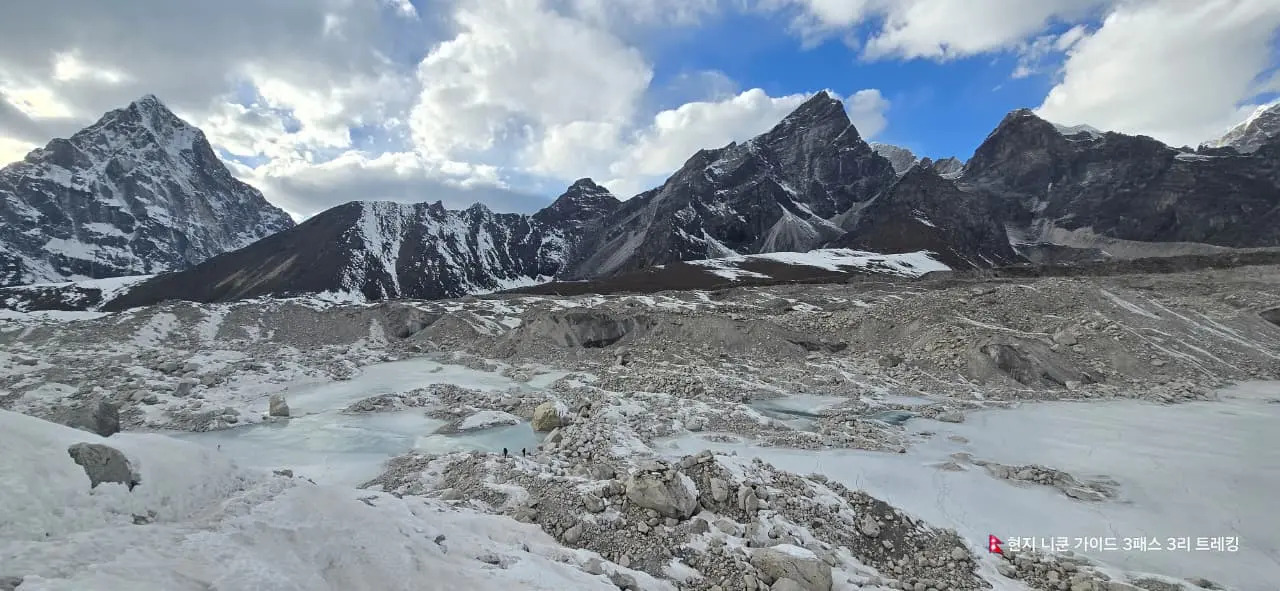
Hiking in Nepal offers breathtaking landscapes, cultural encounters, and diverse terrain — from lush hills around Pokhara to panoramic viewpoints like Poon Hill and the scenic trails of Shivapuri National Park.
At San Luxury Trekking, we prioritize comfort, safety, and preparedness. Even short hikes in Nepal can involve changing weather, steep trails, and strong sun exposure. Having the right equipment ensures a safe and enjoyable experience.
Hiking Equipment Overview
Hiking equipment in Nepal should focus on:
- Comfort – Proper footwear and breathable clothing
- Weather Protection – Quick layering for sun, wind, or rain
- Hydration & Energy – Staying fueled throughout the hike
- Safety & Preparedness – Basic first aid and essential tools
- Lightweight Packing – Carry only what you need
For most day hikes (3–7 hours), a well-packed 20–30L daypack is sufficient.
Clothing for Hiking
Nepal’s weather can shift quickly, especially in hilly and mountain regions.
Base Layer (Moisture Control)
- Breathable t-shirt (quick-dry fabric recommended)
- Lightweight long-sleeve shirt (sun protection)
- Moisture-wicking underwear
- Lightweight sports bra (for women)
Mid Layer (Light Insulation)
- Fleece jacket or lightweight insulated jacket
- Light hiking pants (stretchable & breathable)
- Optional: Lightweight leggings (cool mornings)
Outer Layer (Weather Protection)
- Waterproof/windproof jacket
- Lightweight rain poncho (monsoon season)
- Compact down jacket (winter hikes)
Avoid heavy cotton clothing; it absorbs sweat and dries slowly.
Footwear Essentials
Good footwear is crucial for Nepal’s uneven and sometimes steep trails.
- Comfortable hiking shoes or lightweight boots (with grip)
- Breathable hiking socks (1–2 pairs)
- Optional: Gaiters (dusty or muddy trails)
- Sandals (optional, for post-hike comfort)
- Break in footwear before your hike to prevent blisters.
Headwear & Sun Protection
High-altitude sun can be intense even on cloudy days.
- Sun hat or cap
- Sunglasses with UV protection
- Buff or neck gaiter (dust & sun protection)
- Sunscreen SPF 30–50+
- Lip balm with SPF
Hydration & Nutrition
Staying hydrated is essential, especially above 2,000 meters.
- Reusable water bottle (1–2 liters capacity)
- Electrolyte tablets (optional)
- Energy snacks (nuts, protein bars, dried fruit)
- Light packed lunch (if not included)
San Luxury Trekking recommends drinking water regularly, not just when thirsty.
Essential Hiking Gear
- Daypack (20–30L)
- Rain cover for backpack
- Trekking poles (helpful for steep ascents/descents)
- Small first-aid kit (band-aids, blister care, pain relief)
- Headlamp (if early start or late return)
- Map or offline GPS (optional but useful)
- Small multi-tool or pocket knife
- Personal ID copy
Electronics & Extras
- Mobile phone (fully charged)
- Power bank
- Camera
- Travel insurance copy
- Cash (small denominations)
Signal may be limited in remote areas, so inform your guide before separating from the group.
Personal Items
- Hand sanitizer
- Wet wipes
- Small towel
- Personal medications
- Insect repellent (especially in forest or lowland hikes)
Seasonal Considerations
Spring (March–May)
- Light layers + sun protection
- Allergy medication (optional for pollen)
Monsoon (June–September)
- Waterproof jacket
- Quick-dry clothing
- Extra socks
Autumn (October–November)
- Light fleece
- Sun protection
Winter (December–February)
- Warmer mid-layer
- Gloves & beanie